Titiroa Catchment Group
Read our Catchment Group Summary
Your Catchment Group Coordinators
Benita MacLean
021 399 343
benita@thrivingsouthland.co.nz
Tessa Miller
021 400 431
tessa@thrivingsouthland.co.nz
Catchment Group Contact
John Somerville
027 447 5437
johnandmelsomerville@gmail.com
About Us
The Titiroa Catchment Group formed in 2021, after farmers from the lower Mataura decided they wanted to better understand what was happening in their waterways and work together to make improvements. The group has around 30–40 members — a mix of sheep, beef, deer, and dairy farmers, along with forestry and conservation landowners. It’s a collaborative, forward-thinking group focused on practical solutions and shared learning.
Catchment Area
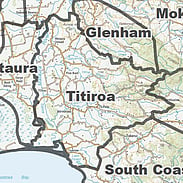
The Titiroa Catchment encompasses the lower Mataura River. It stretches from the bridge at Seawards Downs, following the Mataura River to Fortrose, and includes the watersheds of the Titiroa, Waimahaka, Titiwaewae, Habukinini, Strathellen, and Toi Toi Streams. The catchment includes hill country draining to the Titiroa floodplain, the townships of Waimahaka and Fortrose, and large blocks of farmland, forestry, and conservation land.
Recent Events
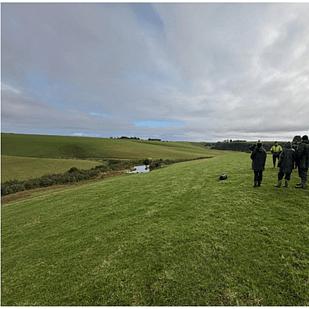
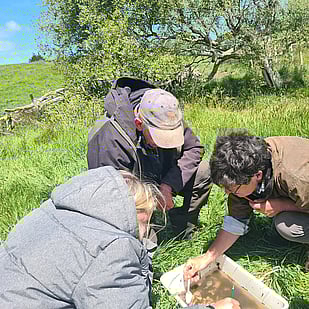
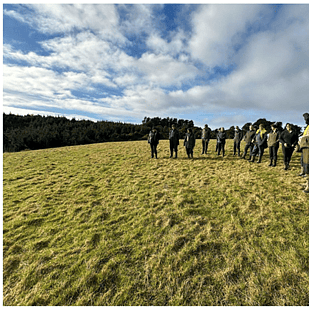
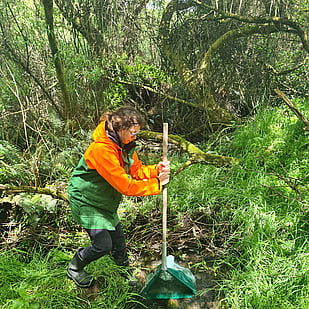
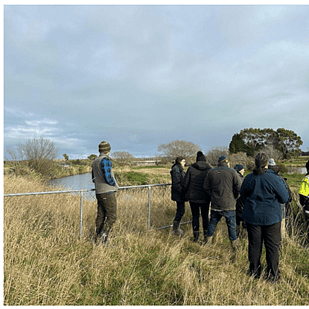
Titiroa Catchment Bus Trip: Members visited Environment Southland water quality monitoring stations and local farms to conduct stream health assessments, finishing with a debrief at Fortrose Café.
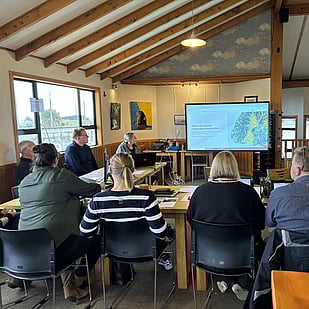
Biodiversity Workshop: Professor David Norton shared expertise on native plant regeneration with 30 farmers and rural professionals, providing practical tips for plant care and maintenance.
A community meal at Tokanui and a Wetlands Tour provided additional engagement and learning opportunities for members.
Projects
Main Project – Landscape Investigation
Working with Land & Water Science, the group mapped out how the landscape influences water quality, identifying where runoff starts and where it ends up. These maps are now helping farmers plan targeted actions like fencing, planting, and sediment control.
Phase 2 – Source to Stream
The next phase builds on that work, using eDNA testing to find out what fish and species are living in the waterways. It’s a really exciting project that brings together farmers, schools, and scientists to create a clear picture of the catchment’s biodiversity.

Thriving Southland is a community-led group with a vision to create a prosperous Southland, healthy people, healthy environment from the mountains to the sea.
View Privacy Policy HERE
CONTACT US
25 Don Street,
Invercargill 9810